
A QUESTLARK CHAPTER
Neva
A powerful example of care expressed through action, with growth changing what support between companions requires.
Game facts
- Developer
- Nomada Studio
- Publisher
- Devolver Digital
- Released
- 15 October 2024
- Platforms
- Windows · macOS (Steam edition)
- Model
- Paid game
- PEGI
- 12 — Nintendo Switch edition; not a separate PC classification
- Players
- Single-player
- Length
- Short
- Difficulty
- 2 / 5 · Moderate
- Steam Deck
- Verified
PEGI source ↗ · Steam Deck status source ↗
Edition: Base game
The score, explained
The interest and responsiveness of the core decisions and actions.
How progression, exploration and goals fit together.
The coherence of the visual, musical and narrative presentation.
How clearly the game explains its rules and offers useful ways to engage.
The depth of optional goals, alternative approaches and reasons to return.
Care becomes an action before it becomes a theme
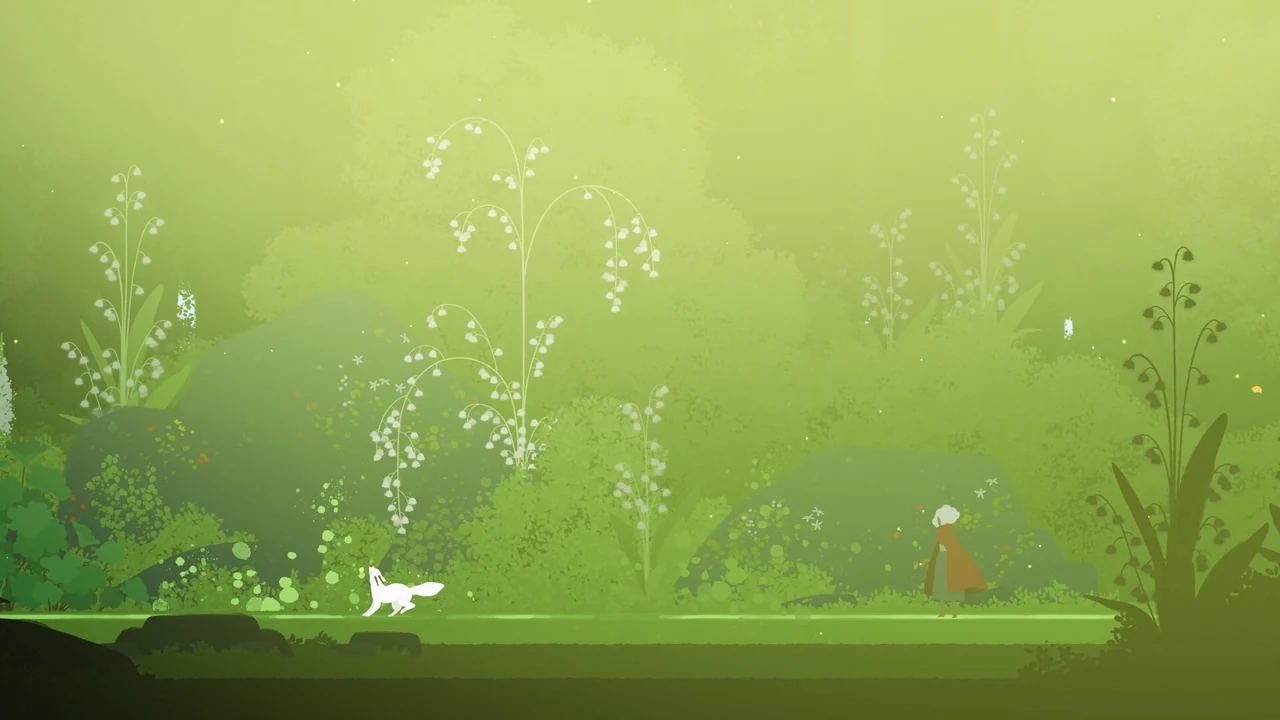
Neva gives Alba a companion whose presence changes how danger is read. The wolf is not simply another figure in the scenery; the relationship directs attention towards protection, proximity and the practical work of travelling together. That makes the player's decisions feel relational even though the story follows a defined path. A movement through a hazardous space is also an act of remaining connected to another creature. Quest Lark's interest is in this physical expression of care. The game does not need a dialogue option labelled as kindness to make responsibility part of play. The opening establishes the bond through what the pair must do together, giving the player a reason to watch the companion's position and development alongside the route ahead.
Growth changes what support means
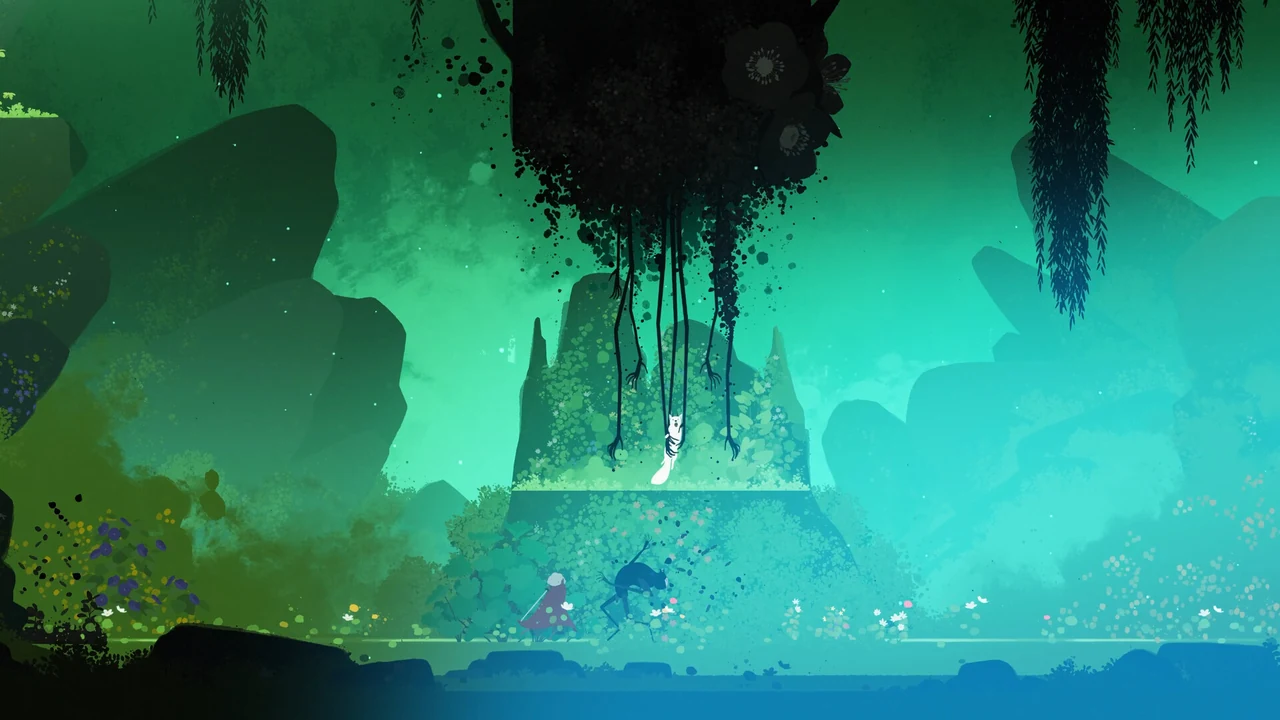
The seasonal structure lets the wolf's development alter the relationship with Alba. A companion who initially needs protection becomes capable of contributing in different ways, changing the emotional meaning of shared movement and combat. The player's role develops with that change rather than remaining a fixed pattern of escorting something vulnerable. The world also shifts in colour and atmosphere, making time visible around the relationship. This is the game's most effective narrative choice: the bond persists while its practical form evolves. A familiar interaction can mean something different later because the player remembers the earlier balance of dependence. The story is carried by that comparison between stages, allowing growth to be experienced through the actions available to the pair rather than only described in a scene.
The experience directs the emotional response closely
Neva uses striking imagery, music and threats to the central relationship to create a strong emotional trajectory. Players who prefer subtlety or extensive interpretive distance may find the direction conspicuous. The presence of combat also matters to the recommendation. This is an active journey through danger, and its animal companionship should not be mistaken for a consistently comforting subject. Readers looking for dialogue choices or several possible relationship outcomes will find a more authored experience. The agency lies in participating in the bond and meeting the demands of the route. That can be powerful, but it asks the player to accept the game's chosen emotional path. Someone who wants to negotiate the terms of the story more explicitly may prefer a narrative with a broader range of decisions.
A recommendation centred on responsibility
Choose Neva when you want an expressive story about being responsible for, and eventually alongside, another living creature. Its movement and combat make the relationship tangible, while the changing seasons provide a clear framework for recognising development. It suits players who enjoy visual storytelling and can accept an emotionally directed journey without extensive dialogue. The recommendation is more cautious for anyone sensitive to an animal companion being placed in danger. Within this selection, Neva demonstrates a different kind of narrative involvement from branching conversation: the player helps sustain a bond through action. The important change is not a menu-selected alternative ending, but the gradual recognition that caring for someone can require different behaviour as both the relationship and the world around it develop.
The verdict
A powerful example of care expressed through action, with growth changing what support between companions requires.
Reasons to play
- Protection gives movement a relational purpose
- Growth alters shared capabilities
- Seasonal progression clarifies the bond's development
Reasons to think twice
- Animal peril can be emotionally difficult
- The narrative follows a strongly directed path
See the game
Assist & accessibility
Parents’ guide
Players: Single-player. No in-game purchase marker in the checked Steam listing. Separate downloadable content may be sold.
Age classification: 12. Nintendo Switch edition; not a separate PC classification
A useful starting tip
Notice how the companion's changing role affects your approach to a situation rather than treating every encounter as the same partnership.
A different direction
Compare this with GRIS: A focused option for reflective participation, inviting personal interpretation through movement instead of conversational decisions.
Official sources
Reviewed: November 2026
You might also like
 Katana ZERORead review →
 PentimentRead review →
 WildermythRead review →